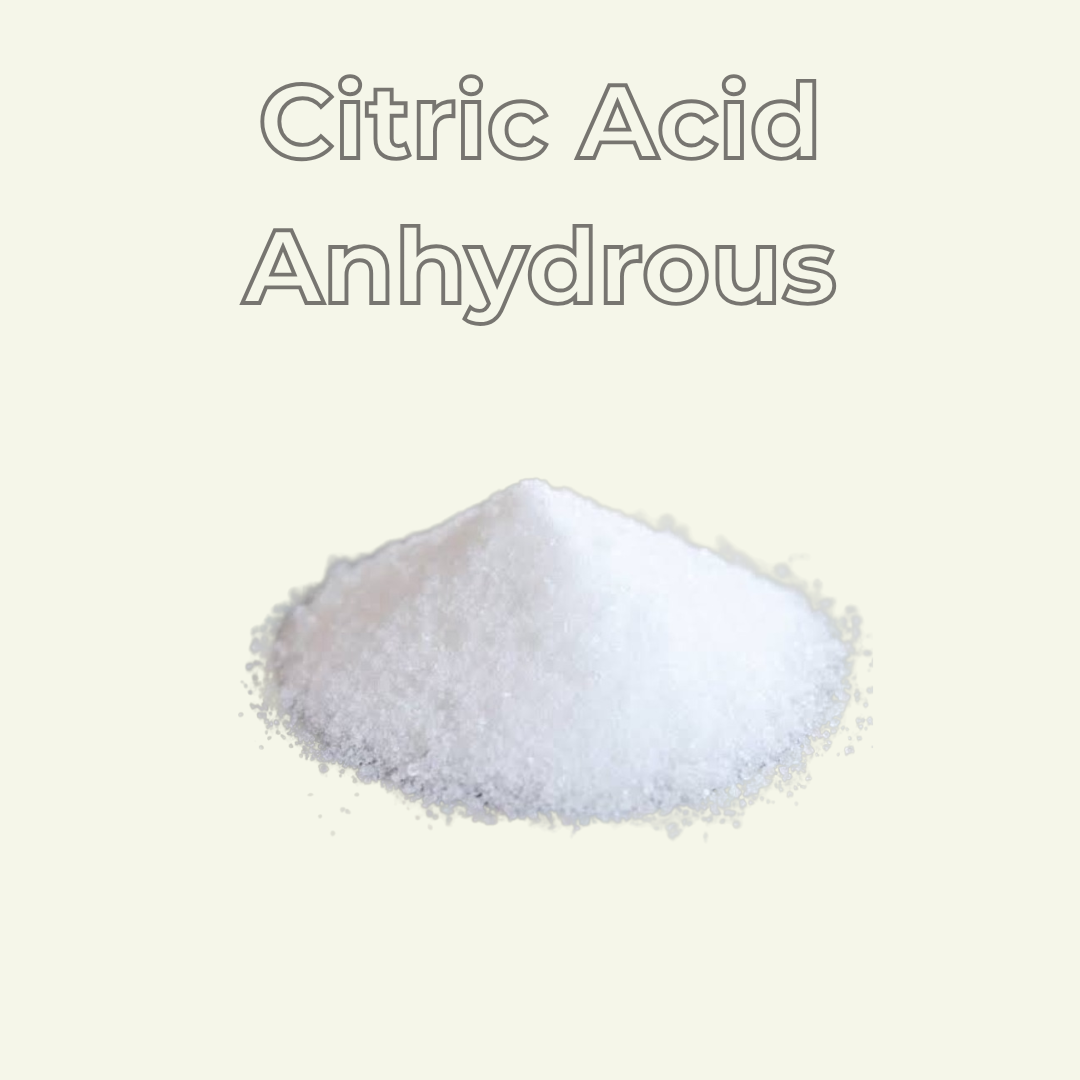
Rchem Citric Acid Anhydrous is a high-purity, tricarboxylic organic acid, presented as a white, crystalline powder. It is a natural constituent and common metabolite of plants and animals, but the commercial form is produced through the fermentation of carbohydrates. This versatile acidulant is a cornerstone of the food, beverage, pharmaceutical, and cleaning industries, renowned for its sharp, sour taste, excellent chelating properties, and ability to act as an effective pH adjuster and preservative.
Rchem is a leading supplier of food and pharmaceutical-grade Citric Acid Anhydrous in Pakistan, providing a fundamental ingredient for a vast array of applications. Our product is “anhydrous,” meaning it contains no water of crystallization, making it highly stable and ideal for dry blended products where moisture control is critical. Its ability to sequester metal ions makes it invaluable for preventing oxidation and stabilizing products. Trusted by manufacturers across Karachi, Lahore, and Islamabad, our Citric Acid ensures your products deliver consistent flavor, stability, and performance. Rchem is your reliable partner for this essential, multi-purpose acid.
Key Features & Benefits:
Versatile Acidulant & Flavor Enhancer: Imparts a clean, tart, and refreshing sour taste to foods and beverages. Effective pH Adjuster & Buffer: Used to control and stabilize acidity in a wide range of products, from jams and soft drinks to cosmetic formulations. Powerful Chelating Agent: Binds to metal ions (like iron and copper), preventing oxidation that causes rancidity in oils and discoloration in fruits and vegetables. Natural Preservative: Creates an acidic environment that inhibits the growth of spoilage microorganisms. Effervescent Agent: When combined with carbonates/bicarbonates, it produces carbon dioxide gas, which is the basis for effervescent tablets and powders. Descaling & Cleaning Agent: Effectively dissolves limescale and rust in household and industrial cleaners.
Varies widely; 0.5% – 3% in beverages; follows GMP in food.
Product Origin
Synthetic (Bio-fermentation)
PALM DERIVATIVES
STATUS
Non-Palm
VEGAN SUITABLE
Yes (Fermentation-derived)
Chemical Formulae
C₆H₈O₇
Frequently Asked Questions:
What is the difference between Citric Acid Anhydrous and Citric Acid Monohydrate?
The only difference is the presence of water molecules. Citric Acid Monohydrate contains one water molecule per citric acid molecule, making it suitable for general-purpose use. Citric Acid Anhydrous has no water and is preferred for dry food mixes, effervescent products, and any application where the introduction of moisture must be minimized to ensure stability and prevent caking.
Yes, it is one of the most common and safest food additives globally. It is "Generally Recognized As Safe" (GRAS) by the U.S. FDA and is a natural part of the human metabolic cycle (the Krebs cycle).
Is Citric Acid safe for consumption?
It works in two primary ways: pH Reduction: It lowers the pH of a product, creating an environment where many spoilage bacteria and molds cannot thrive. Chelation: By binding to metal ions that are essential co-factors for microbial enzymes, it disrupts their metabolic processes.
How does Citric Acid work as a preservative?
Its acidity allows it to effectively dissolve mineral deposits like limescale (calcium carbonate) and rust. Its chelating action also helps to deactivate metal ions in hard water that can interfere with the performance of surfactants in detergents.
Why is Citric Acid used in cleaning products?
As a solid organic acid, the powder can be irritating to the eyes, respiratory system, and skin. Personal protective equipment (PPE) including gloves and safety glasses is recommended when handling to avoid dust inhalation and contact. It is always advised to refer to the Safety Data Sheet (SDS) for comprehensive handling information.
What is the key handling precaution for Citric Acid powder?