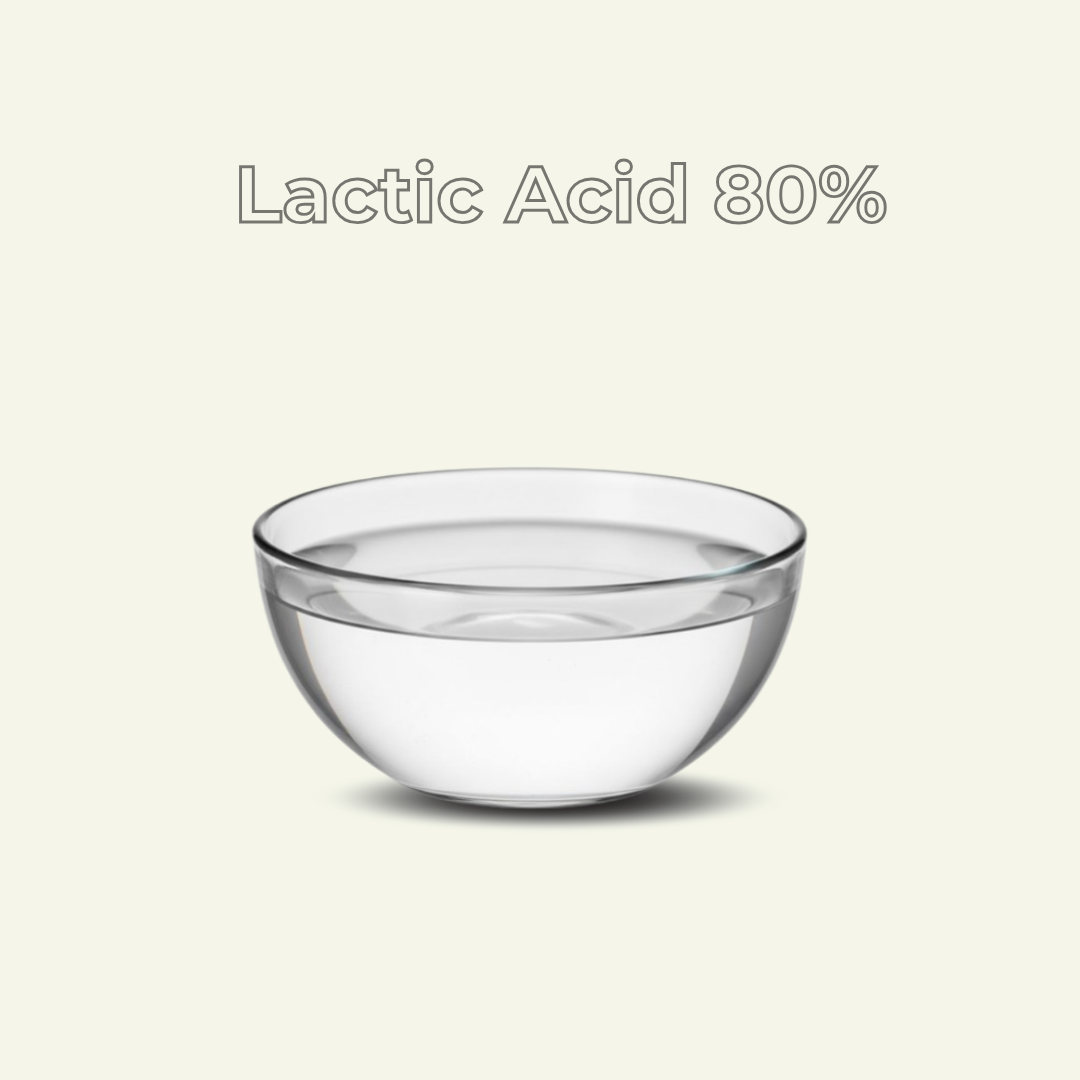
Rchem Lactic Acid 80% is a high-purity, food-grade solution of a natural organic acid, presented as a clear, colorless to slightly yellow, syrupy liquid. This versatile acidulant occurs naturally in fermented foods and sour milk and is produced commercially through the bacterial fermentation of carbohydrates. Renowned for its mild, non-volatile sour taste and multifunctional properties, it is a cornerstone ingredient in the food, beverage, cosmetic, and pharmaceutical industries for pH control, flavor enhancement, and preservation.
Rchem is a leading supplier of high-quality Lactic Acid 80% in Pakistan, providing a reliable and effective ingredient for a multitude of formulations. Our product is valued for its smooth, lingering sourness that is less sharp than citric or acetic acid. It acts as a potent preservative by creating an environment hostile to spoilage microorganisms and serves as a key building block for Polylactic Acid (PLA), a biodegradable polymer. Trusted by manufacturers across Karachi, Lahore, and Islamabad, our Lactic Acid ensures your products achieve the desired taste, safety, and shelf stability. Rchem is your reliable partner for high-performance natural acidulants.
Key Features & Benefits:
Mild Acidulant & Flavor Enhancer: Imparts a smooth, rich sourness that enhances the flavor profile of foods and beverages without overpowering other notes. Effective pH Regulator & Preservative: Lowers pH to inhibit the growth of pathogenic and spoilage bacteria, extending product shelf life. Natural & Clean-Label Appeal: As a naturally occurring acid, it is highly desirable for clean-label and natural product formulations. Moisture-Regulating Agent (Humectant): Helps to control water activity and maintain moisture in food and cosmetic products. Exfoliant & pH Adjuster in Cosmetics: Used in skincare for its keratolytic (exfoliating) properties and to balance product pH. Key Chemical Intermediate: The primary raw material for producing Polylactic Acid (PLA), a compostable bioplastic.
Technical Specifications Table:
Property
Detail
Apperance
Clear, colorless to slightly yellow, syrupy liquid
Scent
Characteristic, faint odor
Solubility
Miscible with water, alcohol, and ether
Uses
Acidulant, preservative, pH regulator, flavor enhancer, humectant, exfoliant, chemical intermediate
Non-Palm (typically fermented from beet sugar, corn starch, or other carbohydrates)
VEGAN SUITABLE
Yes (Fermentation-derived)
Chemical Formulae
C₃H₆O₃
Frequently Asked Questions:
What is the difference between L-Lactic Acid and D-Lactic Acid?
They are optical isomers (enantiomers). L-Lactic Acid is the form naturally produced and metabolized by the human body. D-Lactic Acid is not metabolized effectively and can be harmful in large quantities. Food-grade Lactic Acid, like ours, is typically a mixture but is predominantly the safe and natural L-form.
: In skincare, it functions as a gentle Alpha-Hydroxy Acid (AHA). It helps to exfoliate the top layer of dead skin cells, improving skin texture, brightness, and hydration. It also helps to correct the skin's pH and can improve the appearance of fine lines and hyperpigmentation.
Why is Lactic Acid used in skincare?
Absolutely. It is an excellent acidulant for plant-based yogurts and cheeses to provide the characteristic tangy flavor typically developed by bacterial cultures in dairy products. It helps to precipitate plant proteins, aiding in the formation of a yogurt-like gel.
Is Lactic Acid suitable for use in dairy alternatives?
While both are acidulants, their taste profiles differ. Citric Acid provides an immediate, sharp, and clean sourness (like lemon). Lactic Acid offers a milder, more lingering, and slightly savory sourness (like yogurt). The choice depends on the desired flavor profile of the final product.
How does Lactic Acid compare to Citric Acid?
At 80% concentration, Lactic Acid is a corrosive liquid. It can cause severe skin burns and eye damage. Personal protective equipment (PPE) including gloves and safety goggles is essential when handling. Always refer to the Safety Data Sheet (SDS) for comprehensive safety and first-aid measures.