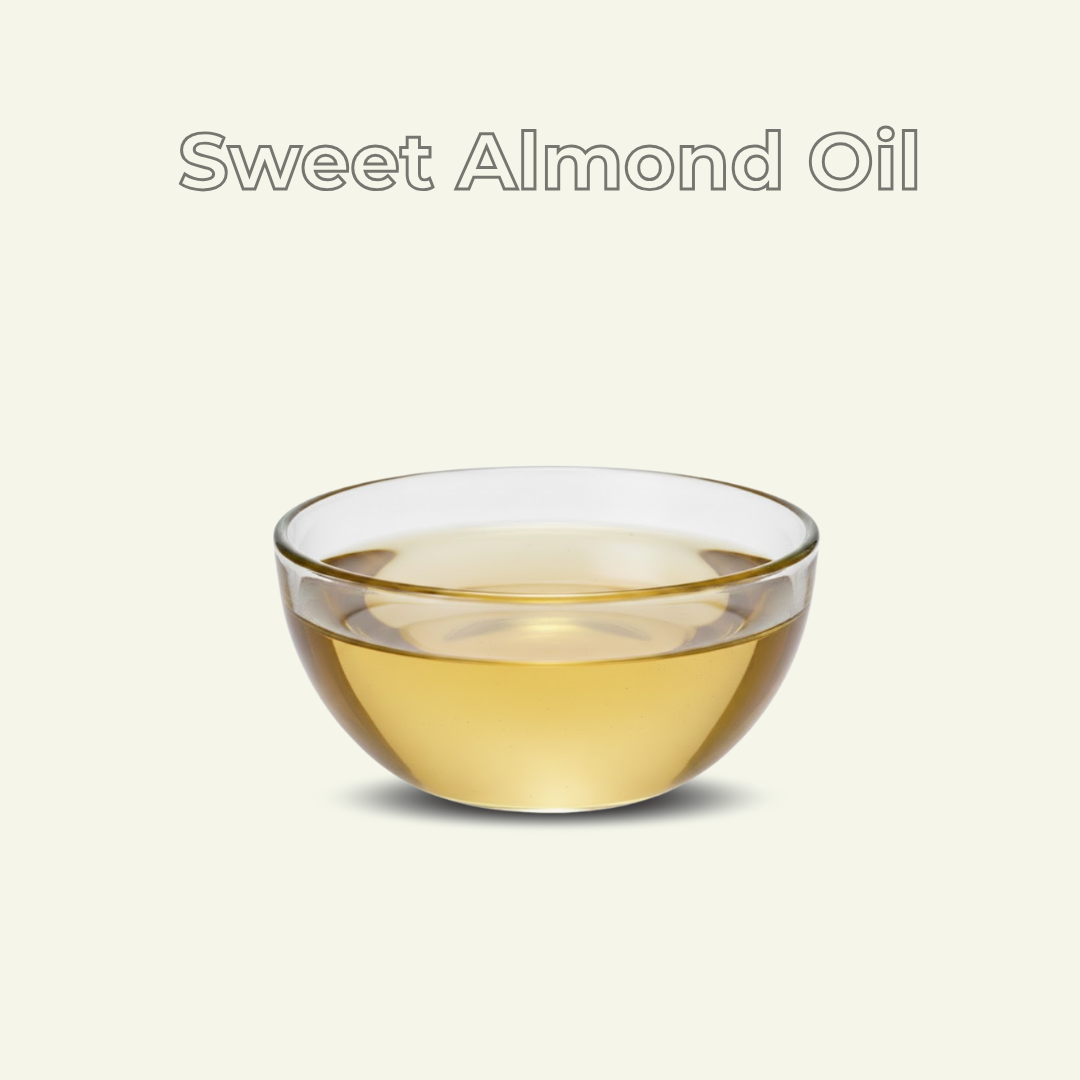
Rchem Sweet Almond Oil is a high-purity, natural fixed oil obtained by cold-pressing the dried kernels of the Prunus amygdalus dulcis (sweet almond) tree, presented as a clear, pale yellow to colorless liquid. This lightweight, nutrient-rich oil is renowned for its exceptional emollient properties, high content of oleic and linoleic fatty acids, and rich vitamin profile (Vitamin E, A, and B-complex). It is a cornerstone ingredient in natural skincare, haircare, and massage formulations for its ability to soften, soothe, and nourish all skin types without irritation.
Rchem is a leading supplier of premium-quality, cold-pressed Sweet Almond Oil in Pakistan, providing a reliable and versatile natural ingredient for personal care and therapeutic formulations. Our product is valued for its mild, hypoallergenic nature, making it one of the safest carrier oils for sensitive skin, baby care products, and formulations for conditions like eczema and psoriasis. It absorbs readily, leaving a non-greasy, silky finish, and is rich in skin-loving nutrients. Trusted by manufacturers across Karachi, Lahore, and Islamabad, our Sweet Almond Oil ensures your creams, serums, massage oils, and hair products deliver superior nourishment and a luxurious feel. Rchem is your trusted partner for premium natural oils.
Key Features & Benefits:
Rich in Essential Fatty Acids: High levels of oleic acid (omega-9, ~65-75%) and linoleic acid (omega-6, ~15-25%) provide deep hydration, restore the skin barrier, and improve skin elasticity. Excellent Emollient & Softener: Soothes and softens dry, rough, flaky skin, making it ideal for body lotions, hand creams, and massage oils. Hypoallergenic & Gentle: One of the least allergenic carrier oils, making it safe for sensitive skin, eczema, psoriasis, and baby care formulations. Rich in Vitamin E: Provides natural antioxidant protection, helping to neutralize free radicals and prevent premature aging of the skin. Non-Comedogenic: Lightweight and easily absorbed without clogging pores, making it suitable for facial oils and serums for all skin types, including oily and acne-prone skin. Hair & Scalp Nourishment: Deeply conditions the hair shaft, reduces frizz, adds shine, and nourishes the scalp without leaving a heavy, greasy residue.
Technical Specifications Table:
Property
Detail
Apperance
Clear, pale yellow to colorless liquid
Scent
Characteristic, very faint, nutty odor
Solubility
Soluble in oils and organic solvents; insoluble in water
Body oils, face creams, massage oils, baby care products, and hair serums
Usage Rate
1% – 20% (up to 100% as a carrier oil)
Product Origin
Cold-pressed from Prunus amygdalus dulcis kernels
PALM DERIVATIVES
STATUS
Palm-Free
VEGAN SUITABLE
Yes
Chemical Formulae
C₅₇H₁₀₄O₆
Frequently Asked Questions:
What is the difference between Sweet Almond Oil and Bitter Almond Oil?
This is a critical distinction. Sweet Almond Oil is expressed from edible almonds and is safe for topical use, rich in nutrients, and non-toxic. Bitter Almond Oil is derived from a different variety of almond and contains amygdalin, which can release toxic hydrogen cyanide. Bitter almond oil is processed to remove this toxin for use as a food flavoring but is not typically used in skincare. Rchem only supplies safe, cold-pressed Sweet Almond Oil for cosmetic applications.
No, not generally. Sweet Almond Oil is derived from tree nuts (almonds). Individuals with known tree nut allergies should avoid using Sweet Almond Oil topically, as it may trigger an allergic reaction. For nut-allergic clients, we recommend alternative carrier oils such as Jojoba Oil, Fractionated Coconut Oil, or Sunflower Seed Oil.
Is Sweet Almond Oil safe for individuals with nut allergies?
Sweet Almond Oil is a massage therapist's favorite for several reasons: it has a light, non-greasy texture that allows hands to glide smoothly, it absorbs slowly enough for a long massage yet does not leave an oily residue, it is hypoallergenic for most clients, and it has a very faint, pleasant scent that does not interfere with essential oils. It also leaves the skin feeling soft and nourished after the massage.
Why is Sweet Almond Oil so popular for massage therapy?
Yes, it is generally suitable. Sweet Almond Oil has a low comedogenic rating (approximately 2 on a scale of 0-5), meaning it has a low likelihood of clogging pores. It is lightweight and rich in linoleic acid, which can actually be beneficial for acne-prone skin by helping to regulate sebum production and reduce inflammation. However, individual results vary, and patch testing is always recommended.
Can Sweet Almond Oil be used on the face for acne-prone skin?
Store in a cool, dry place away from direct sunlight and heat sources. While Sweet Almond Oil contains natural vitamin E (tocopherol) that provides some antioxidant protection, it is less stable than Jojoba Oil and will eventually oxidize (go rancid). For maximum shelf life (typically 12-18 months), keep containers tightly sealed and consider refrigeration after opening. Always refer to the Safety Data Sheet (SDS) for comprehensive handling information.
What are the key handling and storage recommendations?