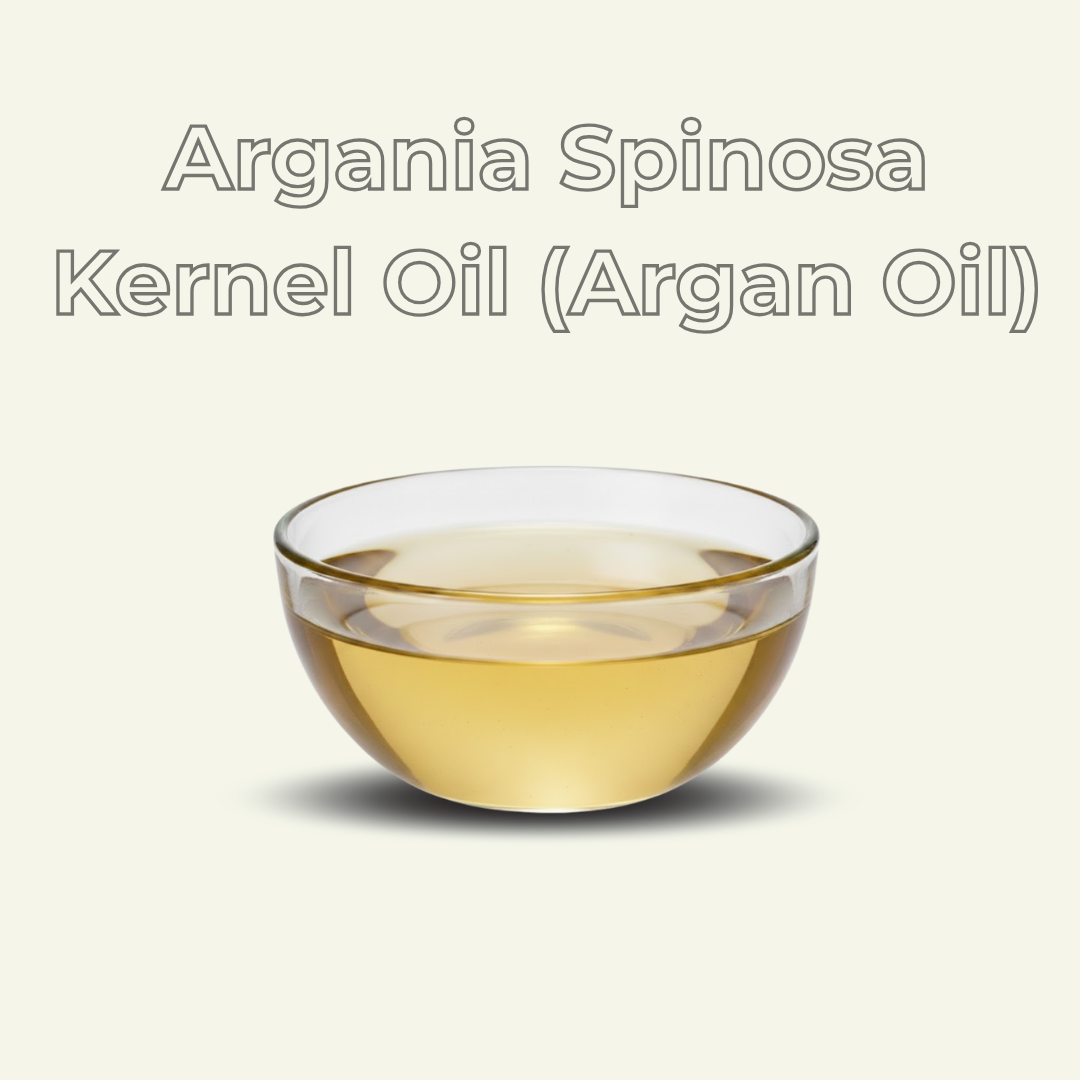
Product: Argan Oil
Rchem Argan Oil is a high-purity, natural fixed oil obtained by cold-pressing the kernels of the Argania spinosa (argan) tree, an ancient and rare tree native exclusively to southwestern Morocco. Presented as a clear to slightly hazy, golden-yellow liquid, this prized oil is often referred to as “Liquid Gold” for its exceptional nourishing, anti-aging, and restorative properties. Renowned for its unique composition of essential fatty acids, potent antioxidants (including Vitamin E and ferulic acid), and skin-identical sterols, it is a cornerstone ingredient in premium natural skincare, haircare, and cosmetic formulations for all skin and hair types.
Categories: Carrier Oils
Category: powder
Description
Key Features & Benefits:
Technical Specifications Table:
Property
Detail
Apperance
Scent
Solubility
Uses
pH
Charge
Used In
Usage Rate
Product Origin
PALM DERIVATIVES STATUS
VEGAN SUITABLE
Chemical Formulae
Frequently Asked Questions:
What makes Argan Oil so unique among natural oils?
Argan oil is unique for three key reasons: (1) It has a perfectly balanced fatty acid profile with nearly equal amounts of oleic and linoleic acids, providing hydration without heaviness. (2) It contains schottenol and spinasterol, sterols found almost exclusively in argan oil that are highly compatible with human skin and provide exceptional barrier repair and anti-inflammatory benefits. (3) It has an exceptionally high vitamin E content (approximately twice that of olive oil) combined with ferulic acid, creating a powerful antioxidant system.
Yes, surprisingly, Argan Oil is generally very suitable for acne-prone and oily skin. Its high linoleic acid content (approximately 35-40%) helps to regulate sebum production and prevent the thickening of sebum that leads to clogged pores. It also has a low comedogenic rating and absorbs rapidly without leaving a greasy residue. Many individuals with oily and acne-prone skin find that argan oil actually helps to balance their skin and reduce breakouts over time.
Is Argan Oil suitable for acne-prone or oily skin?
100% pure, cold-pressed Argan Oil is suitable for both cosmetic and culinary uses, containing all the natural beneficial compounds (sterols, tocopherols, phenols). Cosmetic grade alone often implies the oil has been further processed or refined for a
What is the difference between cosmetic grade (culinary) Argan Oil and 100% pure Argan Oil?
Argan oil is exceptional for hair because its molecular structure allows it to penetrate the hair shaft (rather than just coating it), delivering deep conditioning and protection. It is rich in vitamin E which helps repair damaged hair cuticles. For best results: apply 2-3 drops (for fine hair) to 5-6 drops (for thick or dry hair) to damp or dry hair, focusing on mid-lengths to ends. It can be used as a pre-shampoo treatment, leave-in conditioner, or finishing oil to add shine and reduce frizz.
Why is Argan Oil often used for hair, and how should it be applied?
Store in a cool, dry place away from direct sunlight and heat sources. While argan oil contains natural antioxidants (tocopherols and ferulic acid) that provide good oxidative stability, it should be used within 12-24 months of opening for optimal freshness. Refrigeration is not required but can extend shelf life; refrigerated oil may become slightly cloudy but will clear upon returning to room temperature. Always keep containers tightly sealed to prevent oxidation. Always refer to the Safety Data Sheet (SDS) for comprehensive handling information.