Product: Flaxseed (Linseed) Oil
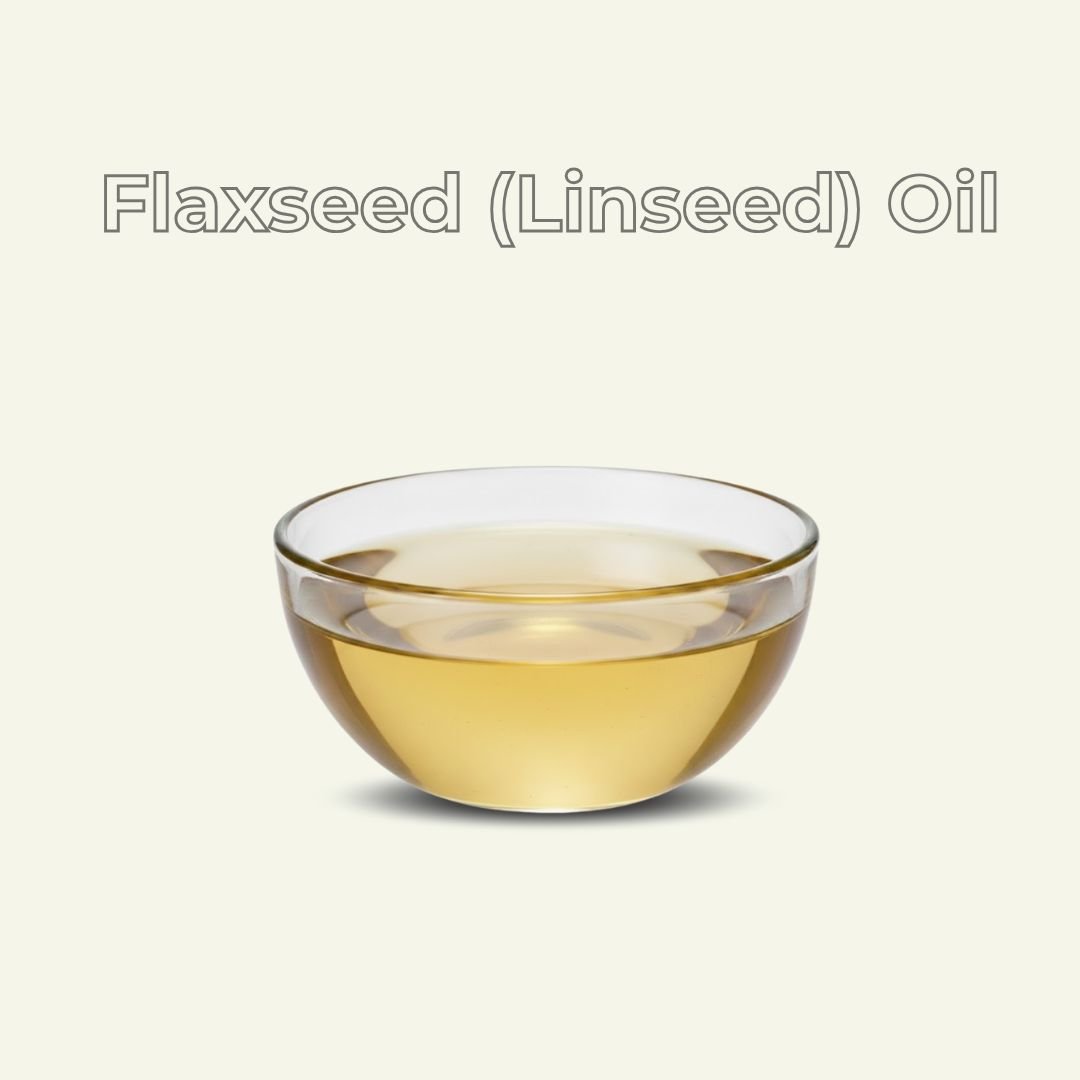
Rchem Flaxseed Oil is a high-purity, natural fixed oil obtained by cold-pressing the seeds of Linum usitatissimum (flax), presented as a clear to slightly hazy, pale yellow to golden-yellow liquid. This remarkable oil is the richest known botanical source of alpha-linolenic acid (ALA), an essential omega-3 fatty acid, containing up to 50-65% of this vital nutrient. Renowned for its potent anti-inflammatory, skin-soothing, and barrier-repairing properties, it is a cornerstone ingredient in natural skincare formulations for eczema, psoriasis, rosacea, and other inflammatory skin conditions.
Categories: Carrier Oils
Category: powder
Description
Key Features & Benefits:
Technical Specifications Table:
Property
Detail
Apperance
Scent
Solubility
Uses
pH
Charge
Used In
Usage Rate
Product Origin
PALM DERIVATIVES STATUS
VEGAN SUITABLE
Chemical Formulae
Frequently Asked Questions:
Why is Flaxseed Oil considered so beneficial for inflammatory skin conditions?
Flaxseed Oil is exceptionally rich in alpha-linolenic acid (ALA) , an essential omega-3 fatty acid. Many skin conditions (eczema, psoriasis, dermatitis) are characterized by chronic inflammation and often a deficiency of omega-3 fatty acids in the skin barrier. Topical application of Flaxseed Oil directly delivers these essential fatty acids to the skin, helping to: (1) Reduce inflammatory mediators that drive redness and irritation; (2) Repair the compromised skin barrier; (3) Decrease transepidermal water loss; (4) Calm itching and discomfort. It is one of the most effective natural oils for inflammatory skin conditions.
Flaxseed Oil is a plant-based source of alpha-linolenic acid (ALA), an essential omega-3 fatty acid. Fish Oil contains EPA and DHA, which are longer-chain, more metabolically active omega-3s. The skin does have enzymes that can convert ALA to EPA and DHA, but the conversion rate is limited (approximately 5-10%). For topical use, both oils are beneficial, but Flaxseed Oil is preferred in natural and plant-based formulations, while Fish Oil provides more direct availability of EPA and DHA. Flaxseed Oil also contains unique lignans not found in fish oil.
What is the main difference between Flaxseed Oil and Fish Oil for skin applications?
The major challenges are: (1) Extremely low oxidative stability – Due to its very high content of polyunsaturated fatty acids (especially the triple-bonded ALA), Flaxseed Oil is one of the most rapidly oxidizing vegetable oils. It can become rancid within weeks to months if not stored properly; (2) Distinctive odor – It has a characteristic strong, somewhat "fishy" or linseed odor that can be difficult to mask; (3) Short shelf life – Typically 3-6 months under ideal storage; (4) Drying properties – Flaxseed Oil is a "drying oil" that can polymerize and form a hard film when exposed to air, though this is more relevant to industrial applications than cosmetic use. For these reasons, it is often used in small quantities (1-5%) in combination with more stable oils.
What are the major challenges when formulating with Flaxseed Oil?
Generally, no. Flaxseed Oil has a moderate comedogenic rating (approximately 2-3 on a scale of 0-5) and its heavy, rich texture may be too occlusive for oily or acne-prone skin types. It is best suited for dry, sensitive, inflamed, or compromised skin including eczema, psoriasis, and rosacea. For acne-prone individuals seeking omega-3 benefits, lighter oils like Grapeseed or Hemp Seed oil may be more appropriate.
Is Flaxseed Oil suitable for oily or acne-prone skin?
Flaxseed Oil requires very careful storage due to its rapid oxidation potential: Store in amber or cobalt blue glass bottles (never clear glass or plastic) Keep tightly sealed to minimize air exposure Store in a cool, dark place away from heat and light Refrigeration is MANDATORY for extended shelf life Under refrigeration, shelf life is typically 3-6 months At room temperature, use within 4-8 weeks Always check for rancidity before use: fresh oil has a mild nutty odor; rancid oil has a strong, unpleasant, bitter, or paint-like odor Consider adding natural antioxidants (Vitamin E, Rosemary Extract) to extend shelf life Always refer to the Safety Data Sheet (SDS) for comprehensive handling information.