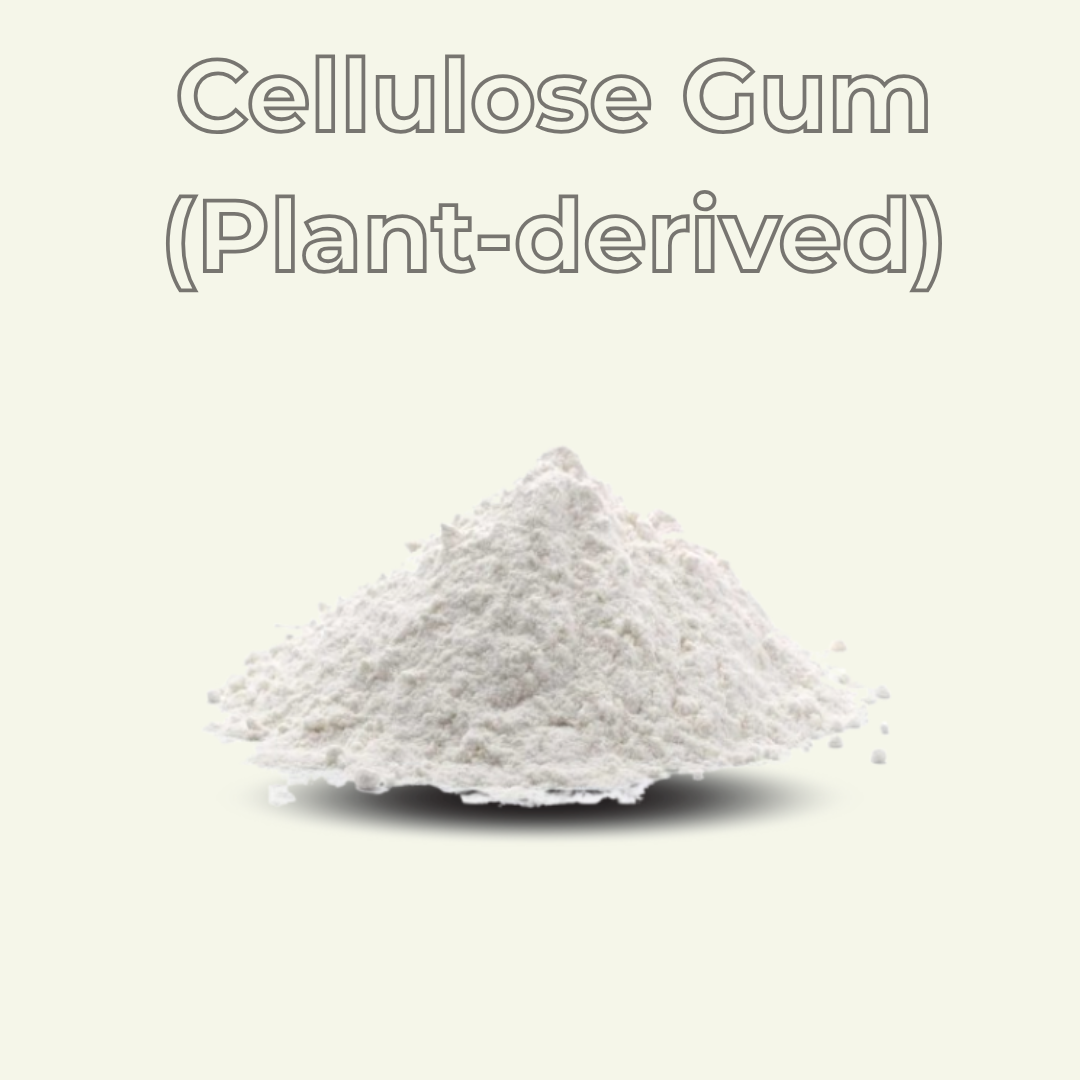
Rchem Cellulose Gum is a high-purity, plant-derived sodium salt of carboxymethyl cellulose (CMC), presented as a white to off-white, free-flowing powder or granules. This versatile, anionic water-soluble polymer is renowned for its exceptional thickening, binding, and stabilizing properties. As a modified natural cellulose, it is a key ingredient across the food, pharmaceutical, and personal care industries, where it is used to control viscosity, suspend particles, stabilize emulsions, and bind water, creating desirable textures and ensuring product integrity.
Rchem is a leading supplier of premium-grade Cellulose Gum in Pakistan, providing a reliable and multifunctional hydrocolloid for a wide range of applications. Our product is derived from sustainable plant cellulose and is characterized by its high solubility, clarity in solution, and broad compatibility. It forms clear to opalescent, viscous solutions that are non-greasy and have a smooth mouthfeel. Trusted by food manufacturers, cosmetic formulators, and pharmaceutical companies across Karachi, Lahore, and Islamabad, our Cellulose Gum ensures your products achieve the desired consistency, stability, and performance. Rchem is your reliable partner for high-performance, plant-based polymers.
Key Features & Benefits:
Efficient Thickening & Water Binding: Rapidly dissolves in water to form high-viscosity solutions, effectively controlling rheology and preventing syneresis (water separation). Excellent Suspension Agent: Keeps solid particles, such as spices, cocoa, or pigments, uniformly dispersed throughout the product. Stabilizes Emulsions: Helps to prevent the separation of oil and water phases in dressings, creams, and lotions. Film-Forming & Binding Agent: Forms flexible films and acts as a binder in tablets, baked goods, and toothpaste. pH Stable & Non-Calorie: Effective across a wide pH range (4-10) and contributes no calories, making it ideal for low-calorie and diet foods. Improves Mouthfeel & Texture: Imparts a smooth, creamy texture without masking flavors.
Technical Specifications Table:
Property
Detail
Apperance
White to off-white, odorless, free-flowing powder or granules
Scent
Odorless
Solubility
Soluble in hot and cold water; insoluble in organic solvents
While both are thickeners, they have different origins and properties. Cellulose Gum (CMC) is plant-derived (cellulose) and provides very clear solutions with less pseudoplasticity (shear-thinning). Xanthan Gum is fermentation-derived and offers strong pseudoplasticity and better stability in acidic conditions. They are often used together for synergistic effects.
Yes, Cellulose Gum is Generally Recognized As Safe (GRAS) by the U.S. FDA and is approved as a food additive (E466) globally. It is widely used in a vast array of food products without any known health risks.
Is Cellulose Gum safe and approved for food use?
In ice cream, it performs several critical functions: it controls ice crystal growth (preventing a gritty texture), provides stability against heat shock during storage, improves mouthfeel, and helps to prevent lactose crystallization.
Why is Cellulose Gum used in ice cream?
To prevent lumping, it is crucial to disperse the powder aggressively before it hydrates. The most effective methods are: High-Shear Mixing: Sprinkle the powder slowly into the vortex of rapidly agitated water. Dry Blending: Pre-mix it with other dry ingredients like sugar or starch, which separate the particles. Slurry Method: Disperse it in a non-solvent like oil or glycerin first, then add this slurry to the water phase.
What is the best way to dissolve Cellulose Gum without forming lumps?
Yes, but its viscosity and stability are optimal in a neutral to slightly alkaline pH range. In highly acidic conditions (below pH 4), the viscosity of a CMC solution will decrease over time, and it may eventually precipitate. For very low-pH systems, other gums like Xanthan may be more suitable.