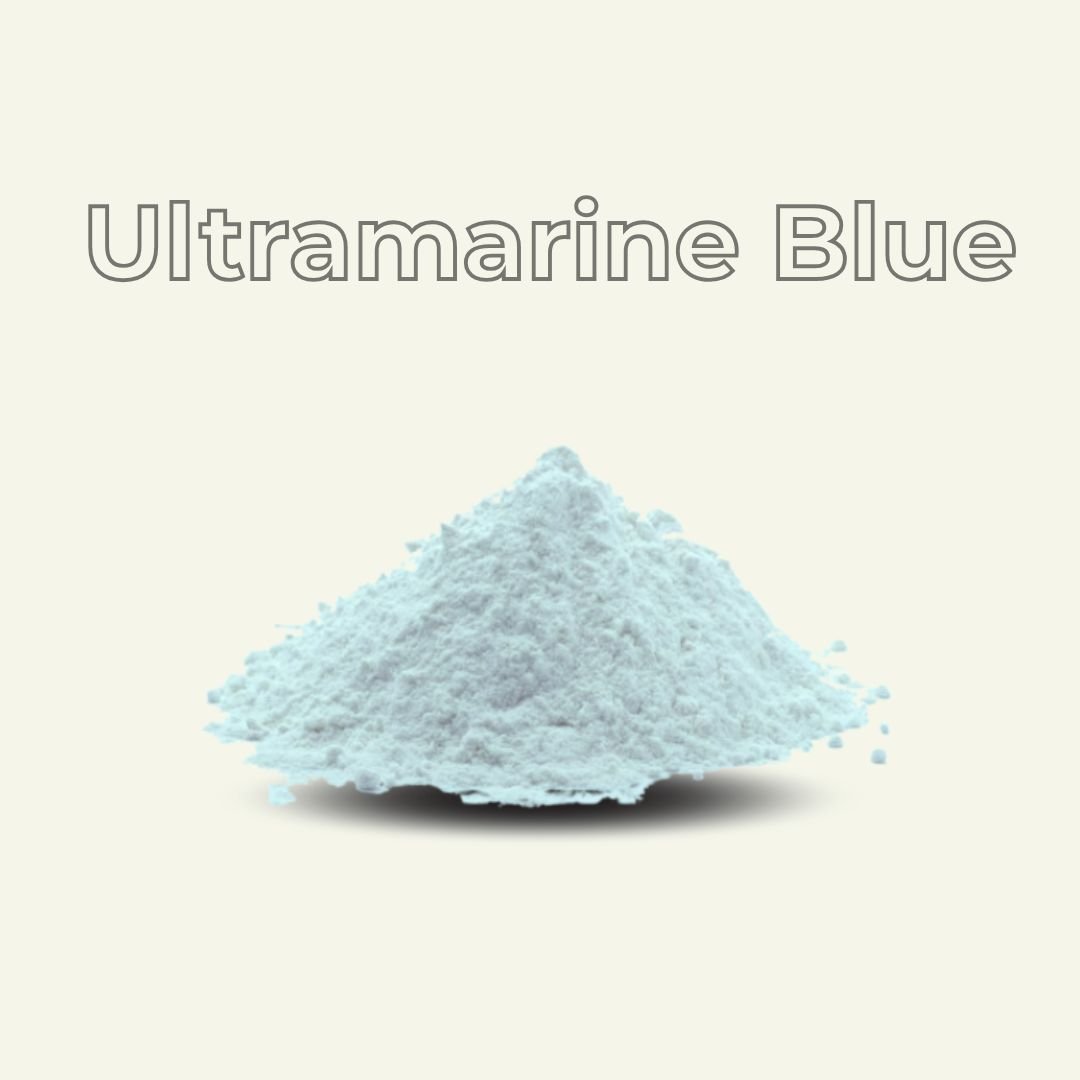
Rchem Ultramarine Blue is a high-purity, synthetic inorganic pigment, presented as a fine, brilliant dark blue powder. This iconic pigment, known artistically as “true royal blue,” is a complex sodium aluminosilicate containing polysulfide chromophores. Renowned for its vibrant masstone, exceptional lightfastness, and chemical inertness, it is a cornerstone ingredient in color cosmetics, personal care products, and industrial applications for delivering intense, clean blue shades that are impossible to achieve with other inorganic pigments .
Rchem is a leading supplier of premium-grade Ultramarine Blue in Pakistan, providing a reliable and versatile pigment for demanding cosmetic and industrial formulations. Our product is valued for its brilliant color saturation, excellent heat stability (up to 200-350°C) , and outstanding resistance to bleeding and migration. It is chemically stable under alkaline conditions but must be protected from direct contact with acids . Trusted by manufacturers across Karachi, Lahore, and Islamabad, our Ultramarine Blue ensures your eyeshadows, soaps, paints, and plastics deliver vibrant, long-lasting color with uncompromising safety. Rchem is your trusted partner for high-performance inorganic pigments.
Key Features & Benefits:
Brilliant True Blue Color: Provides a unique, vibrant, and clean blue hue (Masstone and Tint) that cannot be achieved by blending other pigments like Iron Oxides . Exceptional Lightfastness & Stability: Rates 7-8 on the Blue Wool Scale (Excellent), meaning colors resist fading even under prolonged sunlight exposure. Non-bleeding and non-migrating in most media . Excellent Heat Resistance: Thermally stable up to 200-350°C, making it suitable for high-temperature processes such as plastics molding and soaps . Alkali Stable & Acid Sensitive: Highly stable in alkaline environments (pH up to 12), making it ideal for soaps and plasters. However, it will decompose in direct contact with acids, releasing hydrogen sulfide . Non-Toxic & Regulatory Approved: Considered a safe, non-toxic pigment for cosmetic use. Compliant with FDA, EU, and Japanese Standards, though regional restrictions apply (e.g., not permitted for lip use in the US) . Versatile Application Range: Dispersible in oils, glycerin, and many solvents; widely used in mass-tined (non-surface-coated) decorative cosmetics, soaps, and plastics .
Technical Specifications Table:
Property
Detail
Apperance
Fine, brilliant dark blue powder
Scent
Odorless
Solubility
Insoluble in water and organic solvents
Uses
Pigment/Colorant in Cosmetics, Soaps, Plastics, Paints
pH
7.5 – 10.5
Charge
Amphoteric
Used In
Eyeshadows, eyeliners, mascara, soaps, shampoos, nail polish (varies by region), facial powders
Usage Rate
Eyeshadows, eyeliners, mascara, soaps, shampoos, nail polish (varies by region), facial powders
Product Origin
Synthetic Inorganic (Calcined Aluminum Silicate with Sodium Sulfur)
PALM DERIVATIVES
STATUS
Palm-Free
VEGAN SUITABLE
Yes
Chemical Formulae
Na₆Al₄Si₆S₄O₂₀
Frequently Asked Questions:
Is Ultramarine Blue safe to use in cosmetics?
Yes, it is generally considered a non-hazardous and safe pigment for cosmetic use . However, regulatory status varies by region and application. Notably, while approved for general use by the FDA, it is not permitted for use in lip products in the United States, though it is allowed in Japan and the EU . Always verify compliance with your target market's local regulations.
This is due to its sensitivity to acids. If you add Ultramarine Blue to a product that is acidic (low pH) or if it comes into contact with acidic ingredients, the pigment structure breaks down. This reaction releases hydrogen sulfide gas (rotten egg smell) and destroys the blue color, usually leaving a greenish or white residue . Ensure your final formula's pH is neutral or alkaline (above pH 7) to maintain color stability.
Why does Ultramarine Blue turn green or white?
Yes, absolutely. Cold process soap is highly alkaline (pH ~9-11). Ultramarine Blue is exceptionally stable in alkaline environments, making it a favorite for producing brilliant blue soaps . It will not bleed or morph in the saponification process.
Can I use Ultramarine Blue in cold process soap?
While both are blue, they are chemically distinct. Ultramarine Blue is an inorganic pigment (mineral-based) known for its true red-shade blue and high alkali resistance. Phthalo Blue is an organic pigment (carbon-based) known for being incredibly strong (high tinting strength) and having excellent chemical stability across a wider pH range. Ultramarine is generally preferred for eye shadows and soaps due to its safety profile and specific color hue, while Phthalo is often used in paints and industrial coatings.
What is the difference between Ultramarine Blue and other blue pigments like Phthalo Blue?
Handling: Avoid inhaling the dust. Use a dust mask, gloves, and safety goggles. It is a fine powder that can stain clothing and surfaces . Formulation: Be mindful of temperature; it is stable up to 200°C . It is insoluble, so it needs to be thoroughly dispersed in the oil phase of your emulsion or dry blended into powders. Storage: Store in a cool, dry place, protected from light . Keep containers tightly sealed and never store next to acid components . Always refer to the Safety Data Sheet (SDS) for comprehensive handling, safety, and first-aid information.
What are the key handling and formulation guidelines?