Product: Iron Oxides
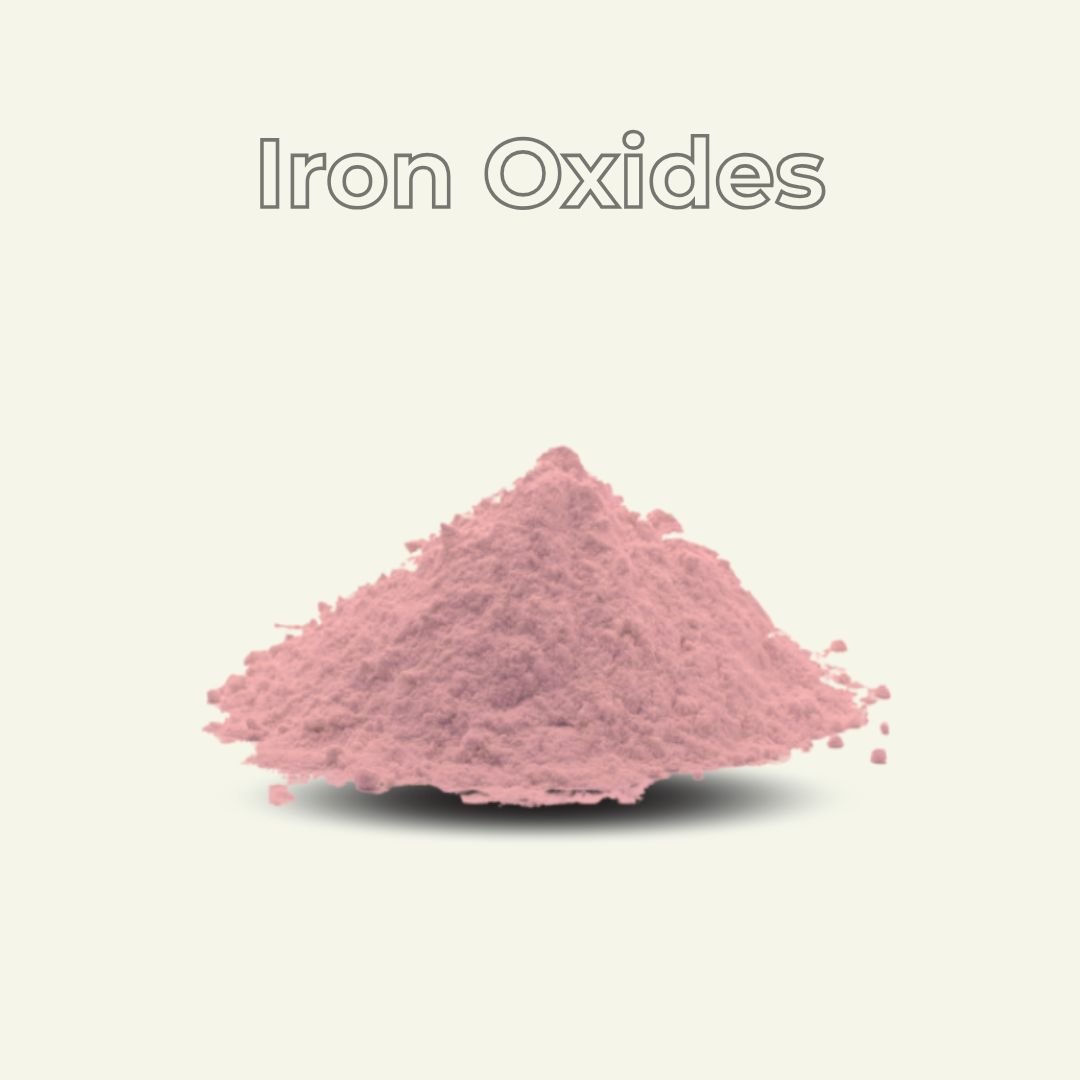
Rchem Iron Oxides are high-purity, synthetic inorganic pigments, presented as fine, free-flowing powders available in a comprehensive palette of yellow (CI 77492), red (CI 77491), brown (CI 77491 blends), and black (CI 77499) shades. These versatile pigments are manufactured through controlled precipitation processes to ensure exceptionally low heavy metal content, small particle size, and excellent batch-to-batch consistency . Renowned for their chemical stability, UV/blue light protection, and superior color performance, they are a cornerstone ingredient in cosmetic, pharmaceutical, and personal care formulations for foundations, lipsticks, eye shadows, and sunscreens.
Categories: Opacifiers, Opacifiers and Pearlescent
Category: powder
Description
Key Features & Benefits:
Technical Specifications Table:
Property
Detail
Apperance
Scent
Solubility
Uses
pH
Charge
Used In
Usage Rate
Product Origin
PALM DERIVATIVES STATUS
VEGAN SUITABLE
Chemical Formulae
Frequently Asked Questions:
What is the primary difference between natural and synthetic Iron Oxides?
While iron oxides occur naturally, synthetic HP (High Purity) grades like Rchem's are strongly preferred in cosmetics. The primary difference is safety and purity. Natural iron oxides often contain high levels of toxic heavy metal contaminants (lead, arsenic, mercury) which are naturally present in mined ore. Synthetic manufacturing eliminates these impurities, producing clean, safe, and consistent pigments compliant with FDA and EU standards .
Iron oxides are the key to high-performance tinted sunscreens because they provide protection against High-Energy Visible (HEV) / Blue Light. While Zinc Oxide and Titanium Dioxide block UV rays, they often leave a white cast and do not block visible light. Iron oxides absorb and reflect visible light, preventing the pigmentation (melasma) and photoaging caused by screen and sun exposure. They also color-correct the white cast, making mineral sunscreens wearable for darker skin tones .
How do Iron Oxides benefit tinted sunscreens beyond just color?
The three primary colors are used to mix any shade: Yellow (CI 77492): Essential for warm and olive undertones. Red (CI 77491): Adds warmth, depth, and "peach" to the base. Black (CI 77499): Darkens the shade; used to create deep skin tones or mute brightness. Brown: Usually a pre-mixed combination of red, yellow, and black for convenience.
When formulating a foundation, what is the difference between the colors?
Yes, iron oxides are generally non-comedogenic (do not clog pores) and non-irritating. They are chemically inert, meaning they do not react with the skin or cause inflammation. Unlike some organic dyes, they are considered very safe for use on sensitive, reactive, and acne-prone skin. There are no major contraindications for their use .
Is Iron Oxide safe for sensitive or acne-prone skin?
Handling: Use appropriate personal protective equipment (PPE) including a dust mask, gloves, and safety goggles to prevent inhalation of fine dust. Iron oxides are generally stable and safe to handle but can stain clothing and equipment. Formulation: For optimal color development and coverage, ensure thorough dispersion using a three-roll mill or high-shear mixing. Pre-dispersing the powder in a portion of the oil phase is recommended. Avoid direct inhalation of the powder. For magnetic grades (Black Iron Oxide, Fe3O4), be aware of magnetic field interference during processing . Always refer to the Safety Data Sheet (SDS) for comprehensive handling, safety, and first-aid information.