Product: Wheatgerm Oil (Natural Vitamin E)
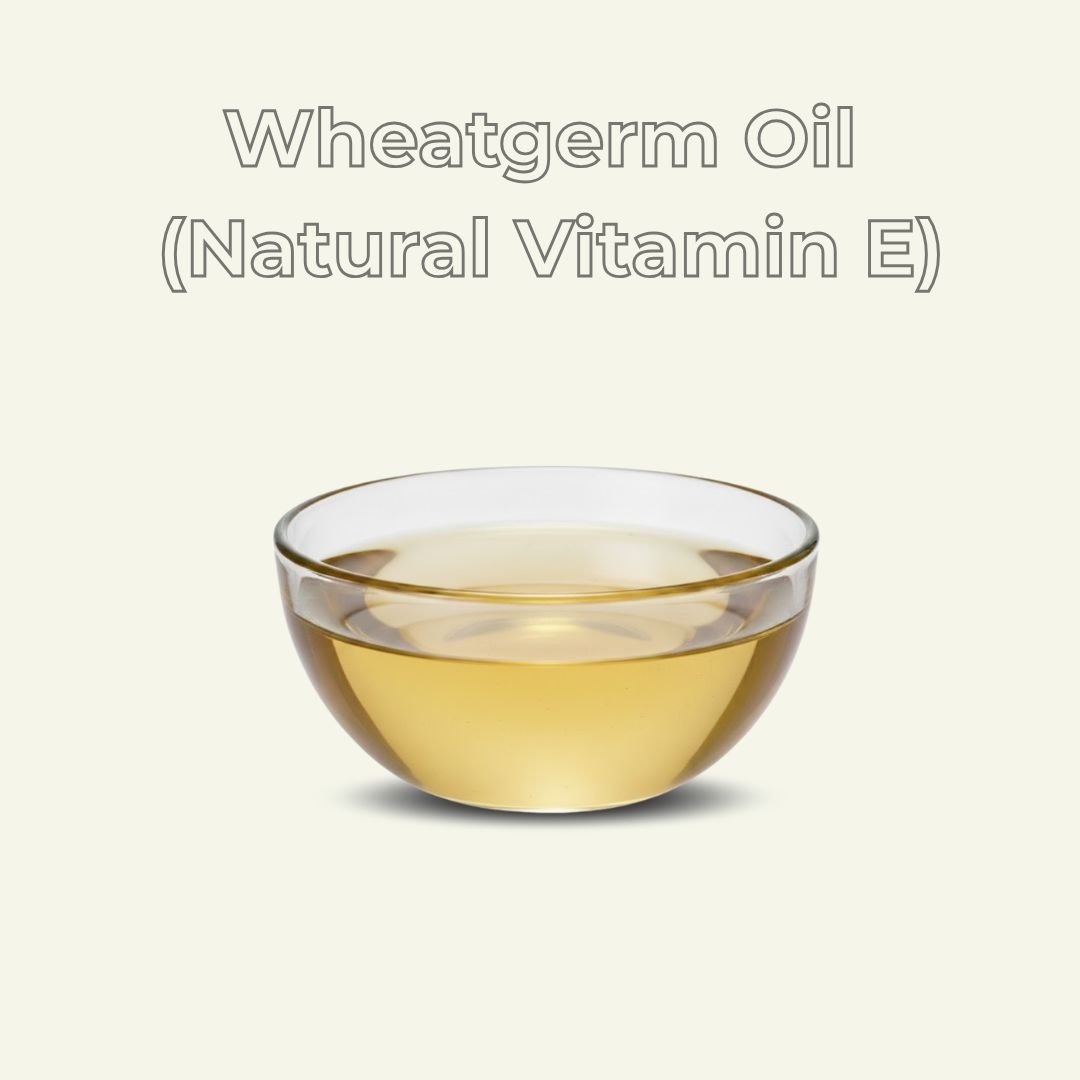
Rchem Wheatgerm Oil is a high-purity, natural fixed oil obtained by cold-pressing the germ of the Triticum vulgare (common wheat) kernel, presented as a clear to slightly hazy, viscous, golden-amber to dark orange-brown liquid. This nutrient-dense oil is widely recognized as one of the richest natural sources of Vitamin E (tocopherols) available, containing a complex of all eight naturally occurring tocopherol and tocotrienol isomers. Renowned for its exceptional antioxidant, regenerative, and skin-nourishing properties, it is a cornerstone ingredient in anti-aging skincare, wound healing formulations, and products targeting dry, mature, or damaged skin.
Categories: Carrier Oils
Category: powder
Description
Key Features & Benefits:
Technical Specifications Table:
Property
Detail
Apperance
Scent
Solubility
Uses
pH
Charge
Used In
Usage Rate
Product Origin
PALM DERIVATIVES STATUS
VEGAN SUITABLE
Chemical Formulae
Frequently Asked Questions:
Why is Wheatgerm Oil considered the best natural source of Vitamin E?
Why is Wheatgerm Oil considered the best natural source of Vitamin E?
Yes, Wheatgerm Oil is widely used to treat scars, stretch marks, surgical scars, and burns. Its high vitamin E content promotes skin regeneration, improves elasticity, and helps to reduce discoloration and texture irregularities. For best results, apply directly to the affected area 1-2 times daily with gentle massage to improve circulation and absorption. For fresh scars, wait until the wound has fully healed before application.
Can Wheatgerm Oil be used directly on scars and stretch marks?
The main challenges are: (1) Strong odor and color – Wheatgerm Oil has a characteristic strong, nutty, grainy odor and a deep amber-orange color that can affect the scent and appearance of finished formulations; (2) Low stability – Despite being rich in natural antioxidants, Wheatgerm Oil itself has relatively poor oxidative stability and should be used within 6-9 months; (3) High viscosity – It is thicker and heavier than many other carrier oils; (4) Cost – It is more expensive than common carrier oils. For these reasons, it is often used at lower concentrations (1-10%) as an active treatment additive rather than a primary base oil.
What are the main challenges when formulating with Wheatgerm Oil?
Wheatgerm Oil has a moderate to high comedogenic rating (approximately 3-4 on a scale of 0-5). Due to its heavy texture and rich composition, it is generally not recommended for oily or acne-prone skin, as it may clog pores and exacerbate breakouts. It is best suited for dry, mature, damaged, or compromised skin conditions. For acne-prone individuals seeking vitamin E benefits, lighter options like Grapeseed Oil or Jojoba Oil enriched with a small amount of Wheatgerm Oil (2-5%) may be more appropriate.
Is Wheatgerm Oil suitable for oily or acne-prone skin?
Wheatgerm Oil requires careful storage due to its limited oxidative stability. Store in a cool, dark place in tightly sealed, opaque containers (dark amber or cobalt blue glass). Refrigeration is highly recommended to extend shelf life; refrigerated oil may become cloudy and more viscous but will return to normal at room temperature. Under refrigeration, it can remain stable for 6-9 months; at room temperature, use within 3-6 months. Always check for signs of rancidity (unpleasant, bitter, or paint-like odor) before use. Always refer to the Safety Data Sheet (SDS) for comprehensive handling information.