Product: Olive Oil
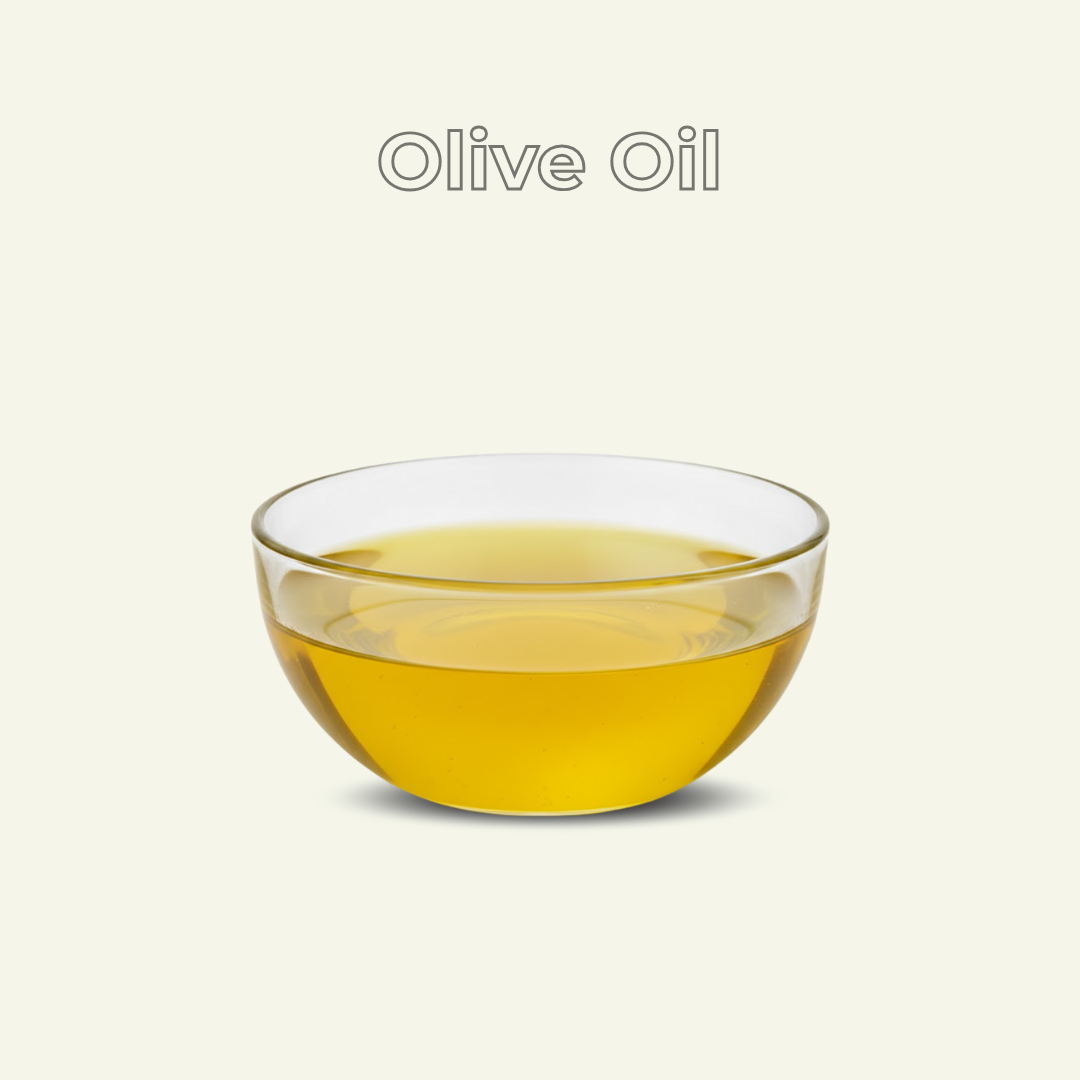
Rchem Olive Oil is a high-purity, natural fixed oil obtained by cold-pressing the ripe fruits of the Olea europaea (olive) tree, presented as a clear to slightly hazy liquid ranging from pale yellow to golden-green in color. This timeless, nutrient-rich oil has been revered for centuries for its exceptional emollient, antioxidant, and regenerative properties. Rich in oleic acid (omega-9), polyphenols, and fat-soluble vitamins, it is a cornerstone ingredient in natural skincare, haircare, soap making, and therapeutic formulations for its ability to nourish, protect, and rejuvenate all skin types.
Categories: Carrier Oils
Category: powder
Description
Key Features & Benefits:
Technical Specifications Table:
Property
Detail
Apperance
Scent
Solubility
Uses
pH
Charge
Used In
Usage Rate
Product Origin
PALM DERIVATIVES STATUS
VEGAN SUITABLE
Chemical Formulae
Frequently Asked Questions:
What is the difference between Extra Virgin Olive Oil and regular Olive Oil for cosmetic use?
Extra Virgin Olive Oil is the highest grade, produced from the first cold-pressing of olives without any heat or chemical refining. It retains the highest concentration of polyphenols, squalene, and vitamin E, along with a distinct fruity aroma and greenish color. It is ideal for natural, premium, and organic formulations. Regular (Refined) Olive Oil has been processed (refined, bleached, deodorized) to remove impurities, resulting in a neutral color, odor, and lower antioxidant content. It is suitable for applications where a neutral scent is desired or for cost-sensitive formulations.
Olive Oil has a low to moderate comedogenic rating (approximately 2 on a scale of 0-5). While it is generally well-tolerated by normal to dry skin types, individuals with oily, combination, or highly acne-prone skin may find it too heavy and potentially pore-clogging. For such skin types, lighter oils like Jojoba, Grapeseed, or Squalane are often preferred for facial use.
Is Olive Oil comedogenic (does it clog pores)?
Olive Oil is particularly beneficial for mature skin due to three key factors: (1) High oleic acid content helps restore skin elasticity and suppleness; (2) Powerful polyphenol antioxidants protect against free radical damage, a primary cause of visible aging; (3) Natural squalene helps replenish skin lipids that diminish with age, supporting barrier function and reducing transepidermal water loss.
Why is Olive Oil considered so beneficial for aging or mature skin?
Castile soap is a traditional soap made exclusively from olive oil (100% olive oil) and an alkali (sodium hydroxide for bar soap or potassium hydroxide for liquid soap). It is renowned for its exceptional mildness, gentle cleansing, and conditioning properties. Olive oil is essential for true Castile soap because its unique fatty acid profile produces a soap that is extremely gentle on sensitive skin, baby skin, and conditions like eczema or psoriasis.
What is Castile soap, and why is Olive Oil essential for it?
Store in a cool, dry place away from direct sunlight and heat sources. Olive oil is susceptible to oxidation (rancidity) over time, especially when exposed to light, heat, and air. For maximum shelf life (typically 18-24 months), keep containers tightly sealed and consider storing in amber or dark glass containers. Refrigeration is not required but can extend shelf life; note that refrigerated olive oil may become cloudy or solidify, but it will return to normal upon returning to room temperature. Always refer to the Safety Data Sheet (SDS) for comprehensive handling information.