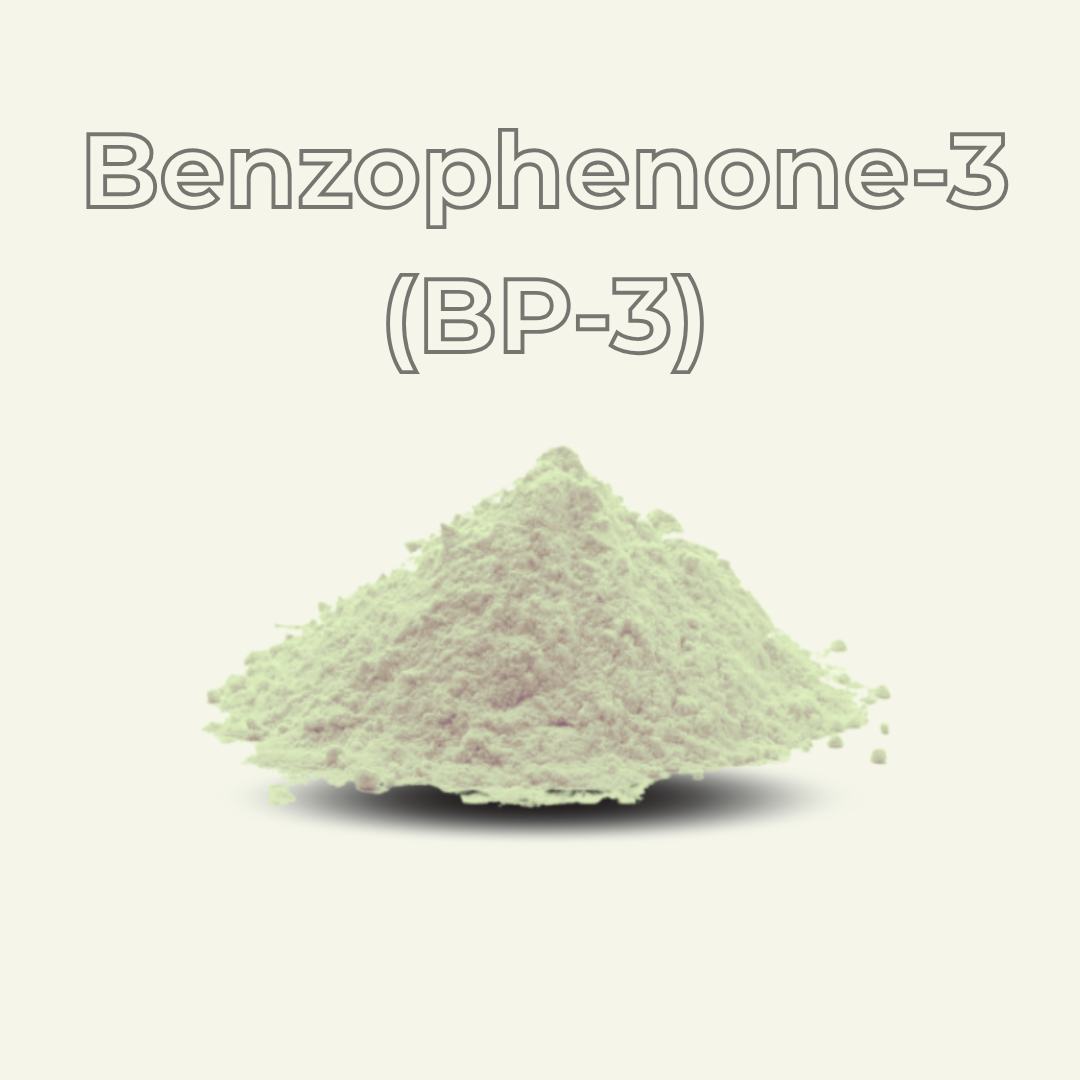
Rchem Benzophenone-3 is a high-purity, broad-spectrum chemical (organic) UV filter, presented as a fine, off-white to pale yellow crystalline powder. This versatile filter is renowned for its ability to absorb a wide range of UV radiation, particularly in the UVA-II and UVB regions. It has been a historical cornerstone ingredient in sunscreen formulations for providing secondary UVA protection and preventing photodegradation of the product itself. However, its use is now subject to increasing regulatory scrutiny and consumer preference shifts.
Rchem is a leading supplier of premium-quality Benzophenone-3 in Pakistan, providing an ingredient for specific sunscreen and cosmetic applications where its properties are required. Our product is valued for its efficacy in protecting against key wavelengths of solar radiation and its role in stabilizing other photo-unstable ingredients within a formulation, thereby extending product shelf life. It is soluble in a variety of oils and solvents, offering formulation flexibility. Trusted by manufacturers across Karachi, Lahore, and Islamabad, we provide BP-3 with a clear understanding of the evolving regulatory landscape. Rchem is your informed partner for UV filter solutions.
Key Features & Benefits:
Broad-Spectrum UV Absorption: Effectively absorbs UVB and short-wave UVA (UVA-II: 320-340 nm), contributing to balanced sun protection. Photostabilizer for Formulations: Helps to prevent the UV-induced degradation of other ingredients, including dyes, fragrances, and the formulation itself, thereby maintaining product integrity and color. Solvent for Other UV Filters: Aids in the dissolution of other solid, crystalline sunscreen actives within the oil phase. Proven Efficacy: A long history of use as an effective UV filter in sun care products worldwide. Water-Resistance Enhancer: Its hydrophobic nature contributes to the water-resistant properties of the final sunscreen product.
Technical Specifications Table:
Property
Detail
Apperance
Off-white to pale yellow crystalline powder
Scent
Faint, characteristic odor
Solubility
Soluble in oils and organic solvents; insoluble in water
Sunscreens, daily moisturizers with SPF, lip balms with SPF, hair care products to prevent color fading, and cosmetics to protect formulation integrity.
Usage Rate
6% (Note: Not permitted in some regions)
Product Origin
Synthetic
PALM DERIVATIVES
STATUS
Palm-Free
VEGAN SUITABLE
Yes
Chemical Formulae
Frequently Asked Questions:
What is the primary function of Benzophenone-3?
Its primary function is to act as a broad-spectrum UV filter, absorbing both UVB and the shorter UVA-II wavelengths. It also serves a secondary, critical role as a formulation photostabilizer, protecting the product itself from breaking down in sunlight.
BP-3 is controversial due to several factors: Health Concerns: It is a known skin sensitizer and allergen for some individuals. Studies have shown it has high rates of systemic absorption and potential endocrine-disrupting properties. Environmental Impact: It has been identified as a contributor to coral reef bleaching and is toxic to marine life, leading to bans in several regions (e.g., Hawaii, Key West, Palau). Regulatory Status: Its maximum allowed concentration has been reduced in the EU, and it is not currently classified as a GRASE (Generally Recognized as Safe and Effective) ingredient by the US FDA for OTC sunscreens.
Why is Benzophenone-3 a controversial ingredient?
Its approval is region-specific. It is still approved for use in many countries, including the EU (at a maximum of 6%) and others. However, it is banned or restricted in several locations, primarily due to environmental concerns. Formulators must check the regulations of their target market.
Is Benzophenone-3 still approved for use?
For UVA protection, alternatives include Benzophenone-4 (for water-soluble products), Avobenzone (when stabilized), and mineral filters like Zinc Oxide. For product stabilization, alternatives like Diethylhexyl Syringylidene Malonate or Ethylhexyl Methoxycrylene can be used.
What are common alternatives to Benzophenone-3?
Store in a cool, dark, dry place. As a fine powder, use PPE (gloves, dust mask) to avoid inhalation and skin contact. It must be dissolved in the oil phase. Formulators must be acutely aware of the legal and regulatory status for their intended markets and consider consumer perception and potential for skin sensitization. Always refer to the Safety Data Sheet (SDS) for comprehensive handling information.
What are the key handling and formulation precautions?