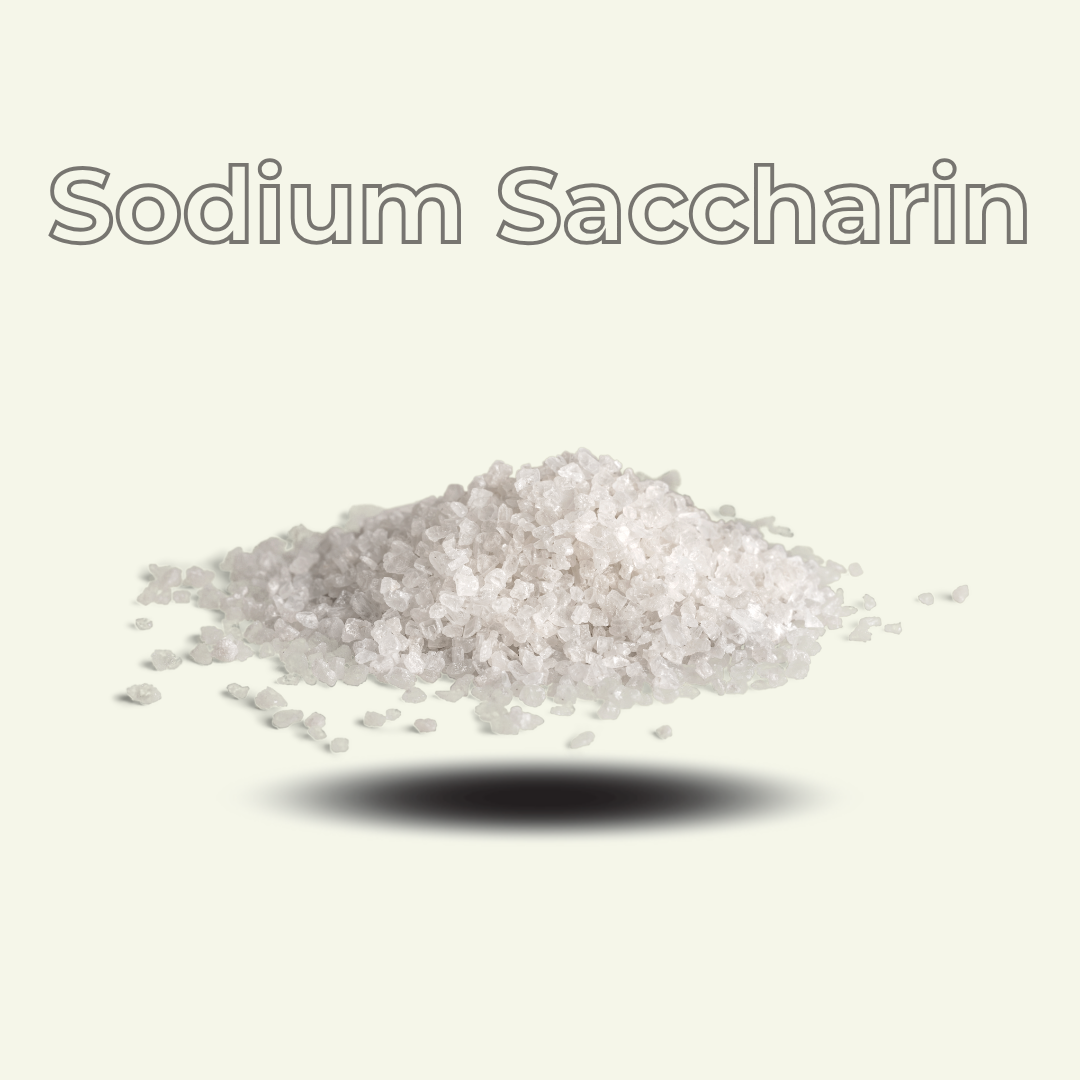
Rchem Sodium Saccharin is a high-purity, synthetic non-nutritive sweetener, presented as a white, crystalline powder or as a free-flowing powder. It is the sodium salt of saccharin, renowned for its intense sweetness, approximately 300-500 times sweeter than sucrose (table sugar). As one of the oldest and most cost-effective artificial sweeteners, it provides a calorie-free sweetening solution for a wide range of food, beverage, and pharmaceutical products, particularly valued for its exceptional stability.
Rchem is a leading supplier of food-grade Sodium Saccharin in Pakistan, providing a reliable and potent sweetening agent for various industries. Our product is characterized by its high solubility in water and outstanding stability under a wide range of pH and temperature conditions, including prolonged heating and storage. While it can have a slight bitter or metallic aftertaste at high concentrations, this is often masked by blending it with other sweeteners. Trusted by manufacturers across Karachi, Lahore, and Islamabad, our Sodium Saccharin enables the production of sugar-free and reduced-calorie products with a long shelf life. Rchem is your reliable partner for high-intensity sweeteners.
Key Features & Benefits:
High-Intensity Sweetness: Extremely potent, being 300-500 times sweeter than sucrose, requiring only tiny amounts for effective sweetening. Zero Calories: Not metabolized by the human body, making it ideal for diet, diabetic, and low-calorie products. Exceptional Stability: Highly stable under heat, pH extremes, and over long storage periods, making it suitable for cooking, baking, and carbonated beverages. Non-Cariogenic: Does not promote tooth decay, as it is not utilized by oral bacteria. Cost-Effective: Provides significant sweetening power at a very low cost-in-use. Synergistic Blending: Often blended with other sweeteners like Sodium Cyclamate to enhance sweetness and improve taste profile.
Technical Specifications Table:
Property
Detail
Apperance
White, crystalline or free-flowing powder
Scent
Odorless
Solubility
Freely soluble in water; slightly soluble in alcohol
Yes, at moderate to high concentrations, many people perceive a bitter or metallic aftertaste. This is one of its main drawbacks. To mitigate this, it is frequently used in combination with other sweeteners like Aspartame or Cyclamate, which helps to mask the off-taste and create a more sugar-like flavor profile.
Yes, major global health authorities, including the Joint FAO/WHO Expert Committee on Food Additives (JECFA) and the U.S. FDA, have concluded that Sodium Saccharin is safe for human consumption. Historical concerns from the 1970s, based on rodent studies linking extremely high doses to bladder cancer, have been largely dismissed for humans due to a different mechanism, and it was delisted from the U.S. National Toxicology Program's carcinogen list in 2000.
Is Sodium Saccharin safe for consumption?
Sodium Saccharin is added to toothpaste and mouthwash as a sweetening agent to make the flavor more palatable, especially in children's toothpaste. It is non-cariogenic (does not cause cavities) and is not metabolized by bacteria in the mouth.
Why is it used in toothpaste?
Sodium Saccharin has superior stability compared to many other high-intensity sweeteners. It is stable across a wide pH range (2-7) and at high temperatures, unlike Aspartame, which breaks down when heated. This makes it ideal for products requiring heat processing, such as baked goods, or for products with a long shelf life, like soft drinks.
How does its stability compare to other sweeteners?
Saccharin is the original acid form, which has low solubility in water. Sodium Saccharin is the sodium salt of saccharin, which is highly water-soluble and is the form most commonly used in food and beverage applications due to its ease of incorporation into aqueous solutions.
What is the difference between Sodium Saccharin and Saccharin?